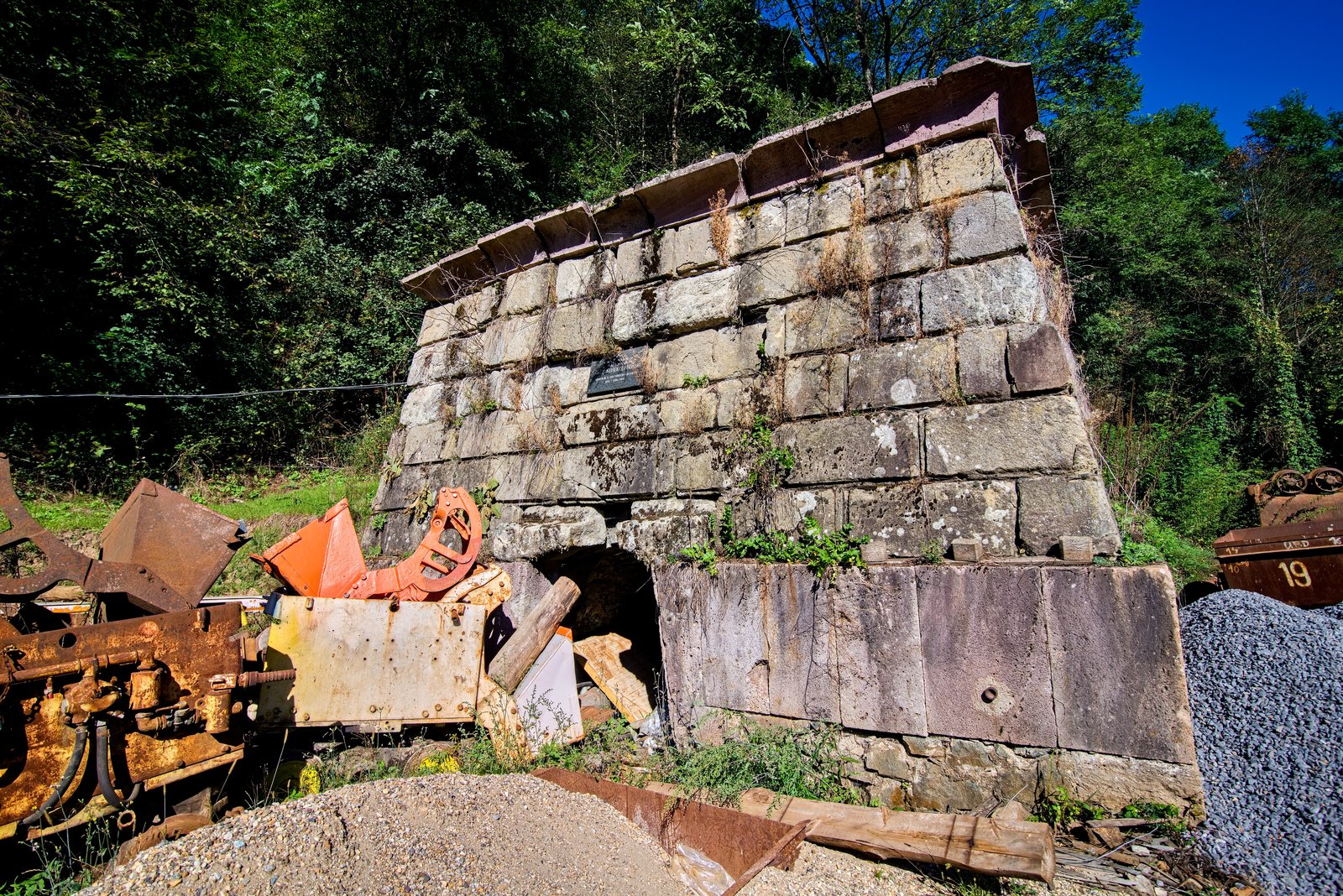

The adit was originally called the Emperor Francis of Lorraine Hereditary Adit.
It was granted the rights of a hereditary adit (a main drainage tunnel with special legal privileges) as early as 1494, as the Handel Hodritsch hereditary adit. In 1566, after 1,200 metres, it broke through into the workings of the Upper Hodruša mine, and in 1765 it was extended all the way under Štiavnické Bane to the Siglisberg shaft, which it helped to drain. By then it was 12,149 m long.
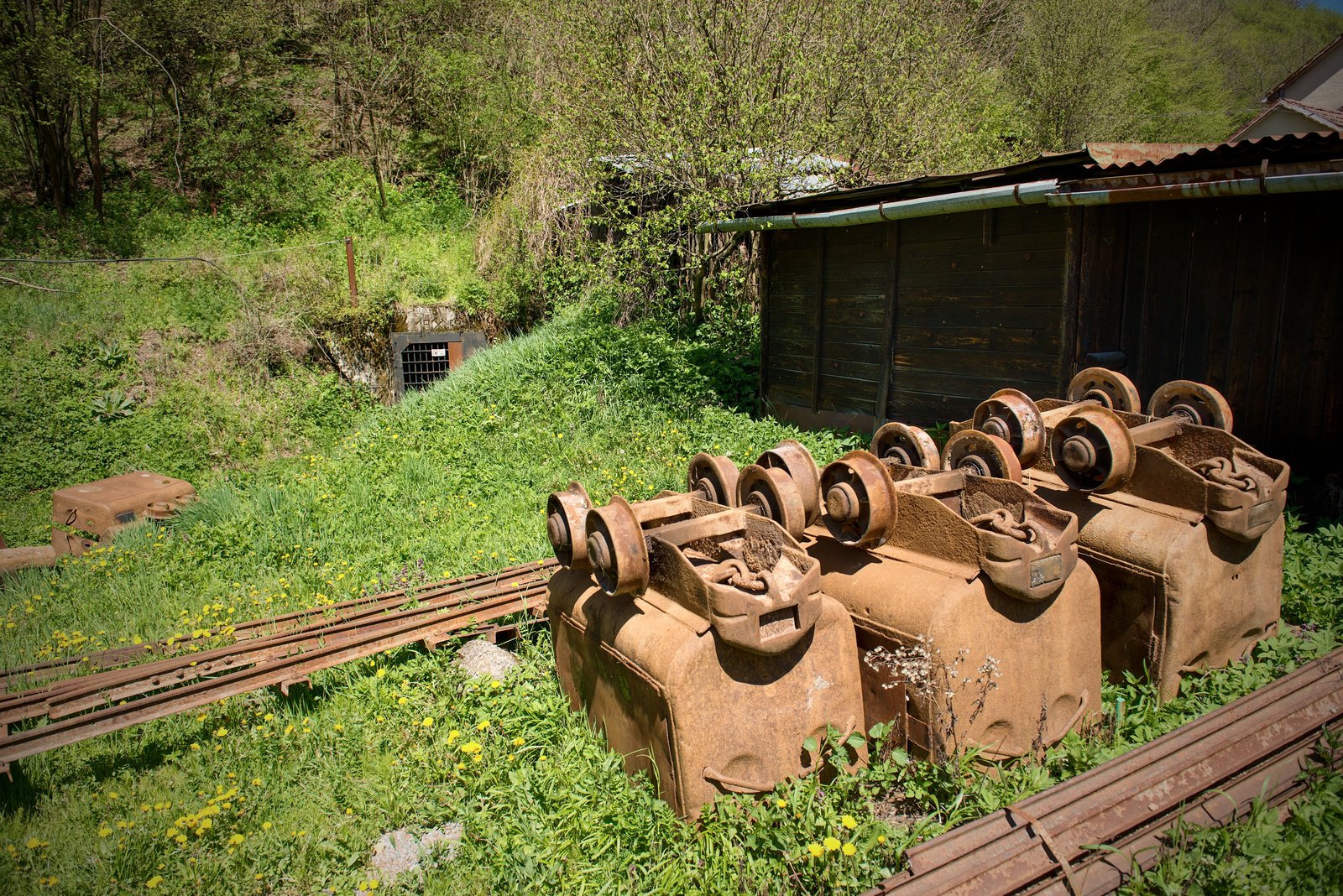
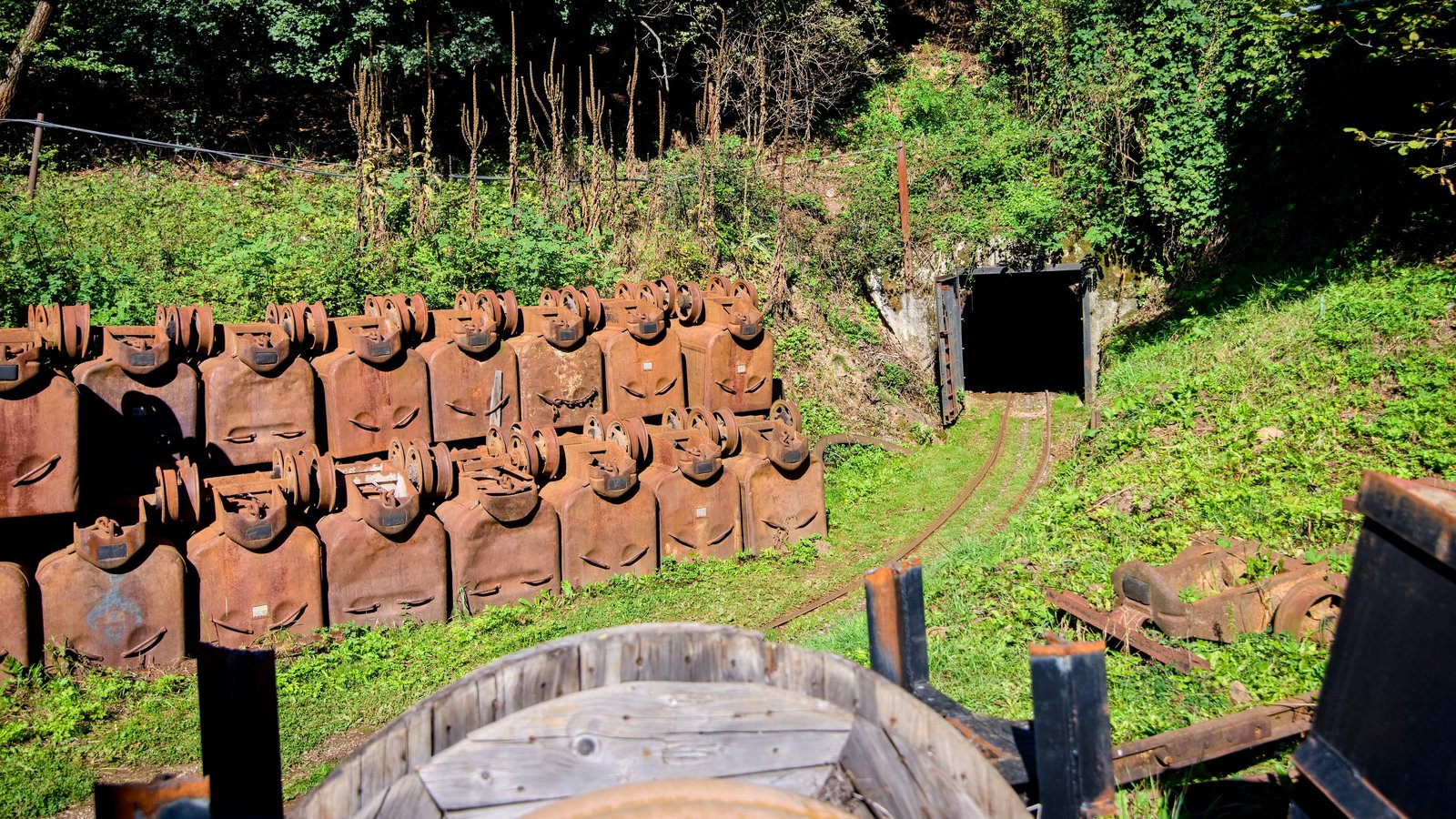
Its mouth lies at 380 m above sea level. The adit lost its importance once the Voznica Hereditary Adit, almost 200 m deeper, had been driven through, but it is still used to drain the Hodruša mines today. The original entrance portal in the grounds of the Erb štôlňa mine is now practically unused.
The importance of this mining work is underlined by the fact that monarchs went down into the adit while it was being built – Emperor Francis I of Lorraine, husband of Maria Theresa (1751), and his sons, the future emperors Joseph II and Leopold II (1764).